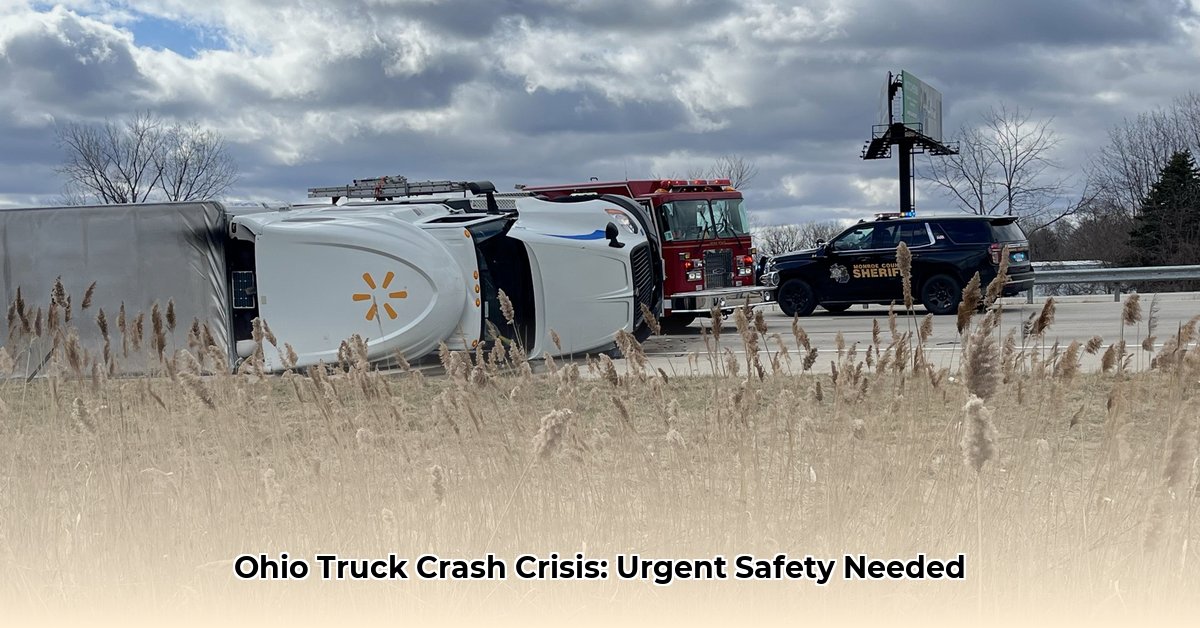
Two recent tractor-trailer crashes in Ohio—one near Columbus on I-71 resulting in a fatality, and another on I-76 causing injuries and a significant cargo spill—highlight critical safety concerns. These incidents aren't isolated; they underscore systemic issues demanding immediate attention. Are these merely accidents, or do underlying problems with roads, trucks, or drivers require investigation? For more information on recent accidents, see this recent Ohio crash.
Human Error: A Leading Factor in Ohio Tractor-Trailer Accidents
Driver fatigue and distracted driving frequently contribute to trucking accidents. Long hours, tight deadlines, and intense pressure increase the likelihood of errors. Current regulations and training may be insufficient. A cultural shift prioritizing safety within the trucking industry is crucial. Furthermore, technology, such as driver drowsiness and distraction monitoring systems, can enhance safety. Are current driver scheduling practices leading to overworked drivers and insufficient rest periods? Are companies prioritizing profits over safety? These critical questions must be addressed.
Road Design and Maintenance: Assessing Ohio's Highway Infrastructure
The I-71 accident occurred near a complex interchange known for previous crashes. Could problematic road design, poor visibility, or confusing signage—especially during inclement weather—have been contributing factors? Similarly, the I-76 accident raises concerns about road conditions and the adequacy of safety barriers. A thorough examination of Ohio's highways is necessary, focusing on clear signage, improved visibility, and enhanced safety features at high-risk locations. Are current road maintenance practices sufficiently robust, or are cost-cutting measures compromising safety? How can we better allocate resources to ensure road safety?
Truck Maintenance and Cargo Securing: Ensuring Operational Integrity
Investigations into the I-76 rollover are examining the truck's mechanical condition. Pre-existing mechanical issues could have exacerbated the accident. The spilled Amazon cargo highlights potential problems with cargo securing procedures. Are current truck inspection protocols sufficiently thorough and consistently enforced? Are regulations clear and effectively implemented? Are there data-driven best practices that could reduce incidents of hazardous spills and rollovers?
Collaborative Action: A Multi-Stakeholder Approach to Enhanced Safety
Addressing these safety issues requires collaborative action from multiple stakeholders.
Ohio Department of Transportation (ODOT): ODOT must urgently review accident sites, particularly complex interchanges. Long-term investments in smart road technologies, such as advanced driver-assistance systems (ADAS), and improved real-time traffic monitoring are essential.
Ohio State Highway Patrol (OSHP): OSHP should increase enforcement of safety regulations for commercial vehicles. Investing in enhanced driver training programs specifically targeting fatigue and risk mitigation is also vital.
Trucking Companies: Companies must mandate driver retraining, enhance vehicle maintenance procedures, and improve cargo securing methods. Utilizing technology to monitor drivers and track vehicle maintenance is a key step toward greater accountability.
Insurance Companies: Insurance companies should adjust risk assessments, considering emerging safety trends. They should incentivize the adoption of safety technologies and promote safer driving practices. What innovative insurance models can further motivate safer practices within the trucking industry?
Key Takeaways and Actionable Steps
- Human Error Mitigation: Implement stricter driver monitoring systems, enforce mandatory rest breaks, and enhance driver training programs focused on fatigue and distraction prevention.
- Infrastructure Improvement: Invest in upgrading problematic road designs, increasing visibility, strengthening barriers, and ensuring thorough and consistent road maintenance.
- Vehicle and Cargo Safety: Enforce rigorous truck inspections, improve cargo securing protocols, and encourage the adoption of advanced safety features in commercial vehicles.
The ongoing investigations are critical. However, proactive, collaborative action—including improved training, enhanced technology, and stricter enforcement—is essential to prevent future tragedies on Ohio's highways. We cannot afford to wait for another accident before taking decisive steps to improve safety.